Current Issue
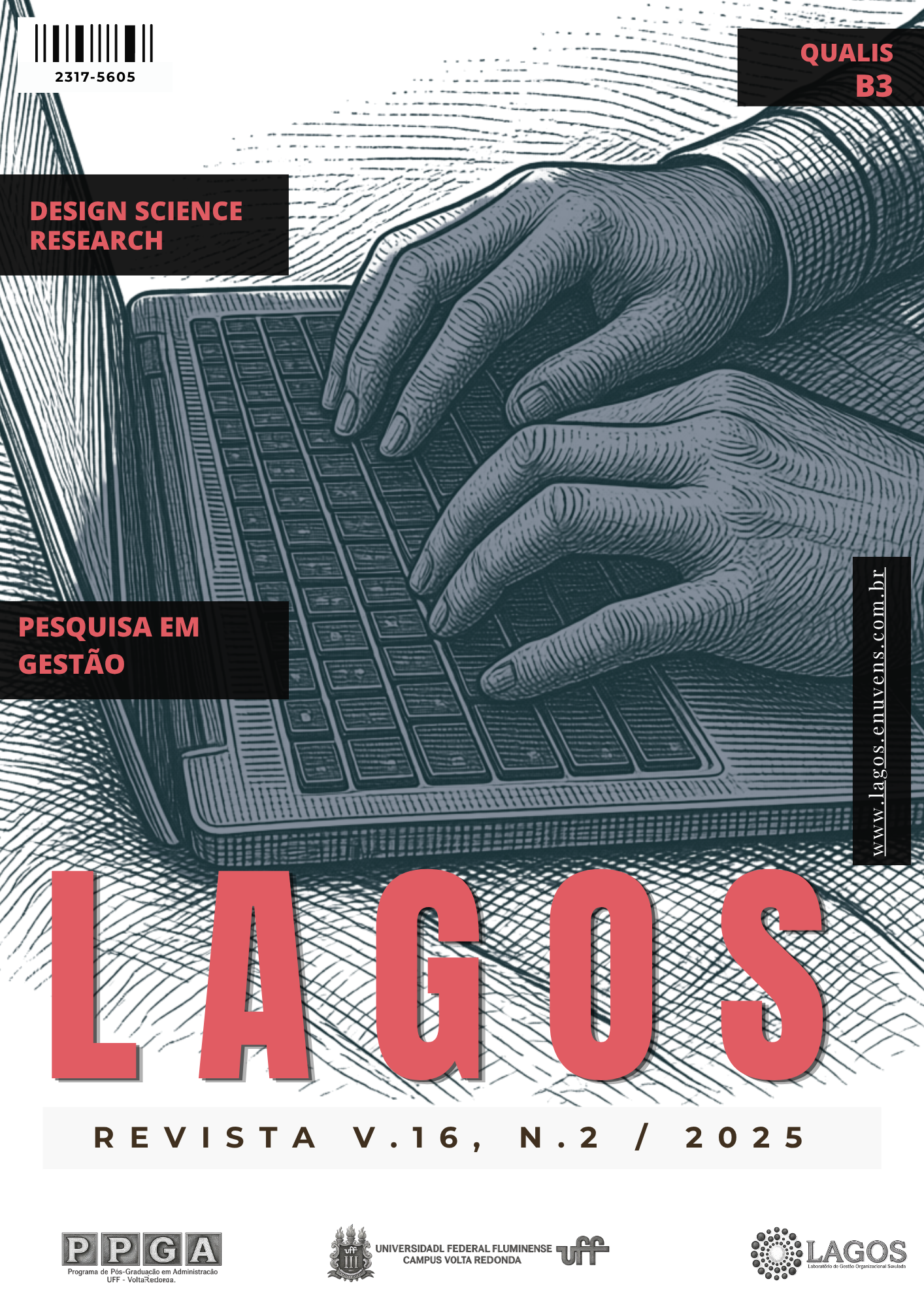
Vol. 16 No. 2 (2025): Design Science Research in Management Research: The Pathway to Societal Impact through the FEDS Framework
The gap between academic theory and organisational practice remains one of the central challenges in the field of management. Historically, the field has been questioned regarding its actual usefulness to market practitioners, as it faces the dilemma between methodological rigour and practical relevance. Against this backdrop, Design Science Research (DSR) emerges as a paradigm capable of producing prescriptive knowledge, focused on the creation of artefacts that address real-world problems. This editorial proposes an integration between DSR’s impact-oriented perspective and the evaluative rigour of Venable, Pries-Heje & Baskerville (2016) Framework for Evaluation in Design Science (FEDS), offering a guide for Brazilian researchers seeking to transform social and organisational reality.
Published:
2026-09-28
Editorial
Artigos Científicos
Relatos técnicos
Focus and Scope
Revista LAGOS publishes scientific and technological articles, teaching cases on the use of Experiential Learning techniques and New Approaches in Education in Administration, Computer Science, Engineering and related areas. This typically includes texts related to:
- Management Education with Business Games.
- Organizational simulators.
- Applied Research in Simulated Environments.
- New Approaches to Business Education.
- Management Software;
- Educational Technologies;
- Teaching Cases, among others.